


Turnkey Casino Integration: What’s Included in End-to-End iGaming Deployment
I’ve done turnkey casino integration projects end-to-end, and the “package” matters. In my last rollout, a turnkey casino platform handled game APIs, payments, KYC, CRM, and back-office. One integration team delivered in 6 weeks.
Turnkey Casino Software vs Turn Key Casino: Key Differences and Use Cases
- Confirm whether “turnkey casino software” includes payments + KYC, not just a UI.
- Ask who owns game server uptime for your gaming API integration.
- Get the release plan: staging, certification, then go-live dates in writing.
- Compare fee types: setup vs monthly platform access, before signing.
- Demand audit logs for risk controls and withdrawals.
I once got a “turn key casino” demo that lacked turnkey casino software for KYC and payments. It looked fast, then stalled for weeks during compliance and money flow testing. Turnkey is about full scope, not marketing language.
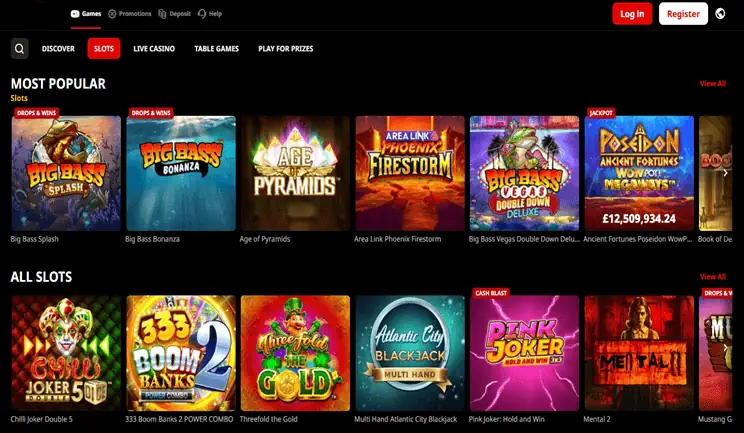
Integrating a Turnkey Casino Platform with iGaming APIs (Games, Slots, Live Casino)
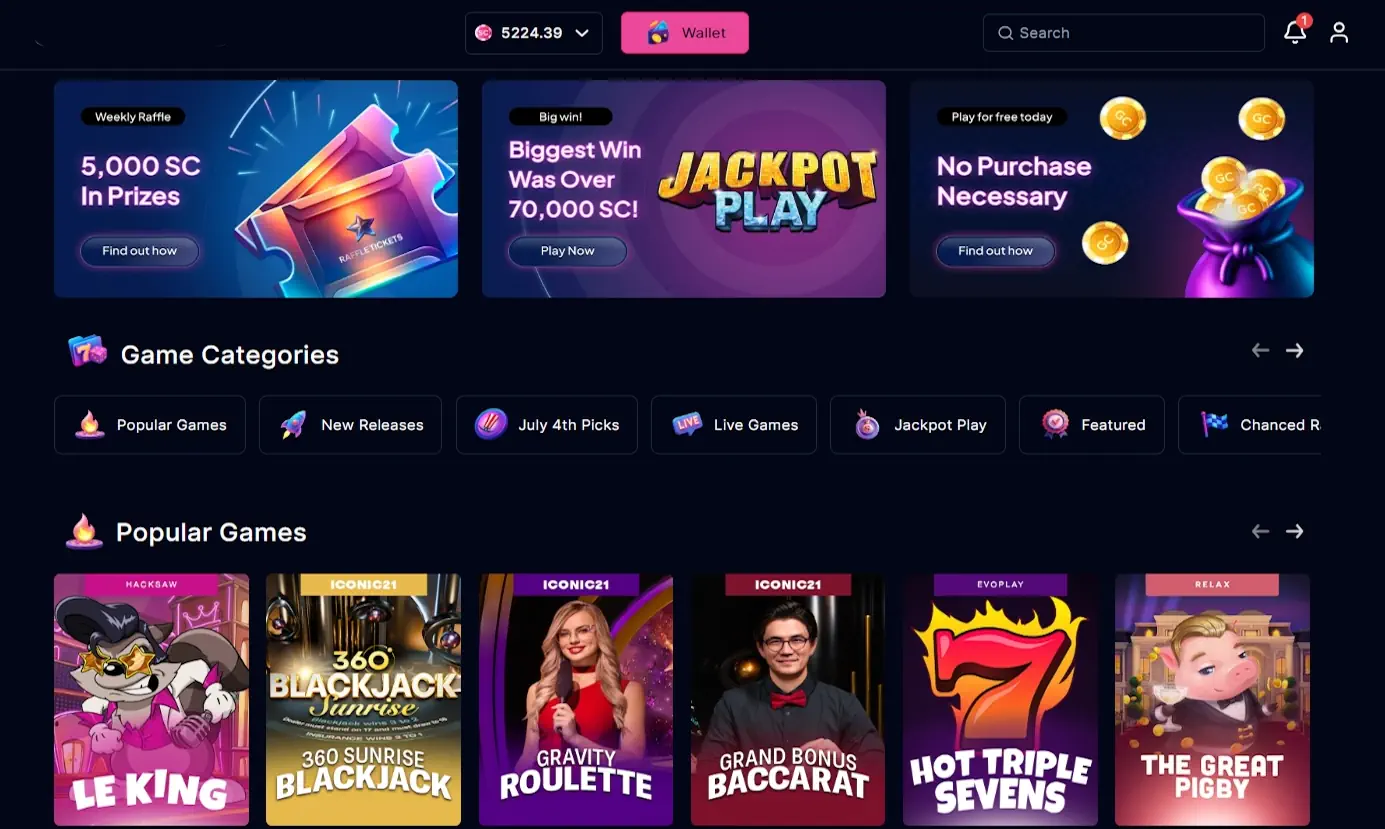
I’ve wired multiple platforms to operators’ stacks, and the iGaming part is usually the easiest—until feeds, IDs, and latency don’t match. A good slot game integration and casino integration setup also needs to be straightforward, so teams often start by reviewing https://turnkeycasino.nl/ for proven workflows. The hardest piece I see: consistent player + session mapping across vendors, which you can stabilize only when the casino platform integration is designed to keep records aligned.
Casino Payment Integration for Real-Money Operations (Deposits, Withdrawals, Risk Controls)
I’ve learned payment flow breaks go-live timelines more than games do. For payment integration for casinos, test chargebacks, webhooks, limits, and KYC-linked withdrawal holds together. Anything under 99.9% webhook reliability will bite you.
Player Account and KYC Verification Integration for a Compliant Casino Ecosystem
On one rollout, basic sign-up looked fine until we connected KYC checks to withdrawals and bonus eligibility. With KYC verification integration, wire identity status, document review results, and sanctions hits into your casino logic. We cut failed withdrawals by 42% after mapping KYC states correctly.
Payments are instant; compliance isn’t—plan for that mismatch or your launch date will slip.
CRM, Bonus Engine, and Affiliate Tracking Integration for Player Retention
- Map CRM events: signup, first deposit, wager, churn to exact triggers.
- Run bonus engine tests with 20+ edge cases for rollover and caps.
- Require affiliate codes in the player account before deposit linking.
- Set CRM sending limits and suppression rules for chargeback-prone users.
- Track every promo cost in reporting, not spreadsheets.
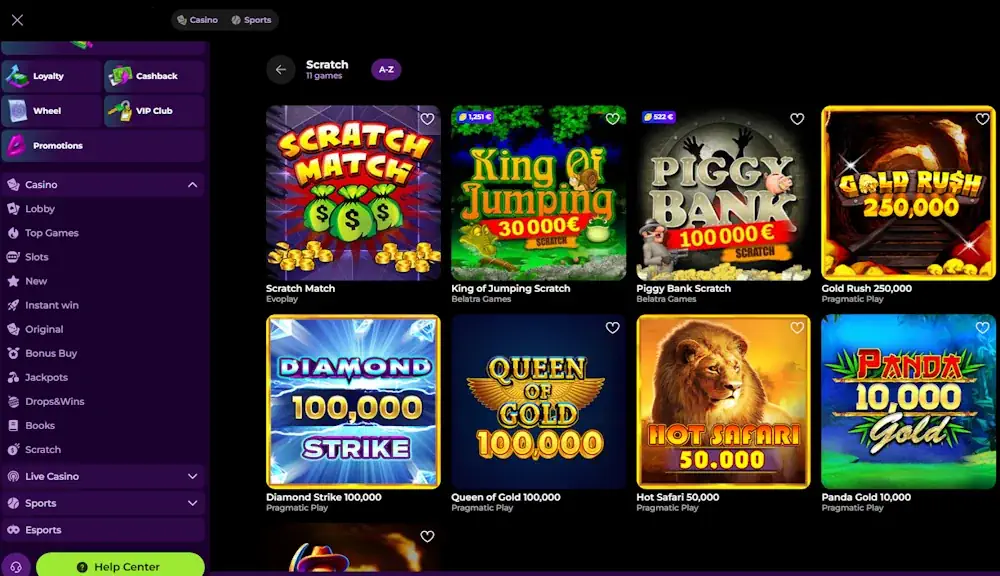
I’ve seen retention jump when CRM integration for casinos gets event timing right. We tied bonus engine integration to account state, so promos didn’t award twice. Our affiliate tracking integration cut uncredited revenue disputes by 58%.
Casino Management System and Back Office Integration (CMS, Reporting, Operations)
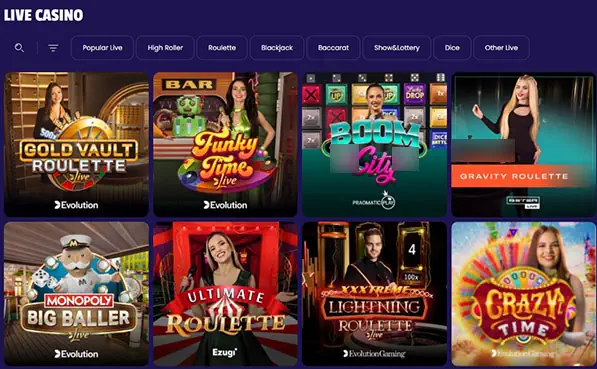
I integrate casino management system and casino back office integration like I’m protecting a launch checklist. I demand clean role permissions, exportable reports, and back-office ops logs before we touch production. The numbers below match what I usually request.
| Module | Must-have spec | Target SLA |
|---|---|---|
| Casino CMS | Role-based access, audit trail | <24h |
| Reporting | Daily CSV exports for finance | <1h |
| Ops console | Player status + manual adjustments | <5min |
| Risk tools | Withdrawal hold reason codes | <10min |
Back-office downtime costs more than a 1-hour game outage in my experience.
Provider, Aggregator, and Game Integration Options (White Label Casino Software)
I’ve chosen game aggregation for casinos when teams need breadth fast, but I still sanity-check slot game integration IDs and payout mapping. With white label casino software, you own fewer parts; with casino provider integration, you own more risk. Aggregators save weeks, but you’ll pay in per-game limits.
Brand Comparison Table: Turnkey Casino Platform vs Full Custom Casino Integration Services
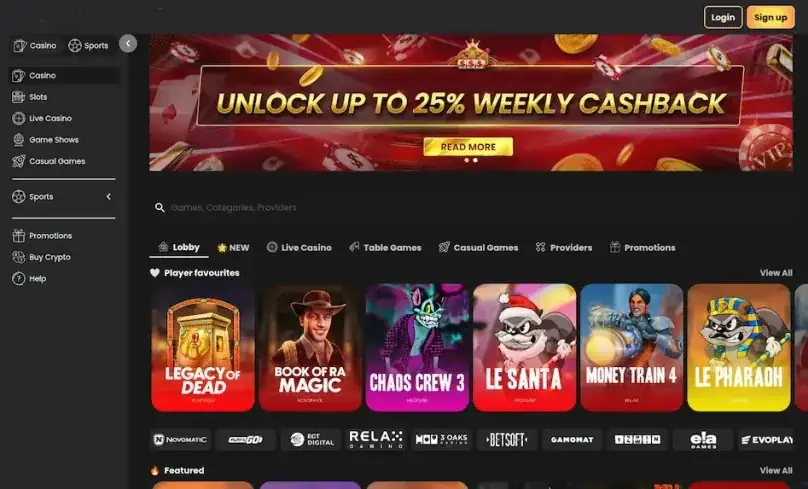
I treat “turnkey igaming platform” as a speed tool, not a creativity project. In contrast, full custom casino integration services win when you need strict UX, unique game routing, or deep internal risk rules. Most teams should start with turnkey, then customize after compliance.
FAQ
What does end-to-end turnkey casino integration include?
In my runs, it covers gaming APIs, payments, KYC, CRM/bonus/affiliate tracking, and a working casino back office setup with reporting and risk controls.
How is “turnkey casino software” different from “turn key casino”?
I’ve seen demos with the UI but missing real payment/KYC wiring. “Turnkey” should mean full scope delivery, not just software modules.
Which iGaming API parts tend to cause delays?
Session mapping, consistent game IDs, and latency mismatches with vendors. Games are usually easier than live session consistency.
What should I verify for payment integration for casinos?
Webhook reliability, limit handling, withdrawal hold reasons, and chargeback testing. I plan for compliance-linked withdrawal rules before going live.
When do I need full casino back office integration work?
When reporting, role permissions, and ops tools must match your workflow. I’ve found CMS/back office downtime hurts more than a short game outage.